Conservation storytelling
Andy Mann, Photographer, Director & Marine Conservationist
I remember the first time I pointed a camera at the horizon and felt the weight of the world staring back. It was 2008, and I was clinging to the railing of a research vessel off the coast of Greenland. The air bit at my skin, the sea growled beneath us, and before me stretched an ancient glacier—immense, indifferent, and magnificent. I pressed the shutter, and the click echoed through my bones. I didn’t know it then, but that single moment would chart the course of my life. For the next twenty years, my camera would become both my compass and my conscience. Photography began, for me, as a simple love of adventure. I was a restless kid, more comfortable with a backpack than a briefcase, drawn to the edges of maps and the silence of remote places, like the mystical Chilean Patagonia region. My earliest journeys here took me deep into these wind swept forests and up mountain passes, chasing light and motion without much purpose beyond the thrill of discovery.
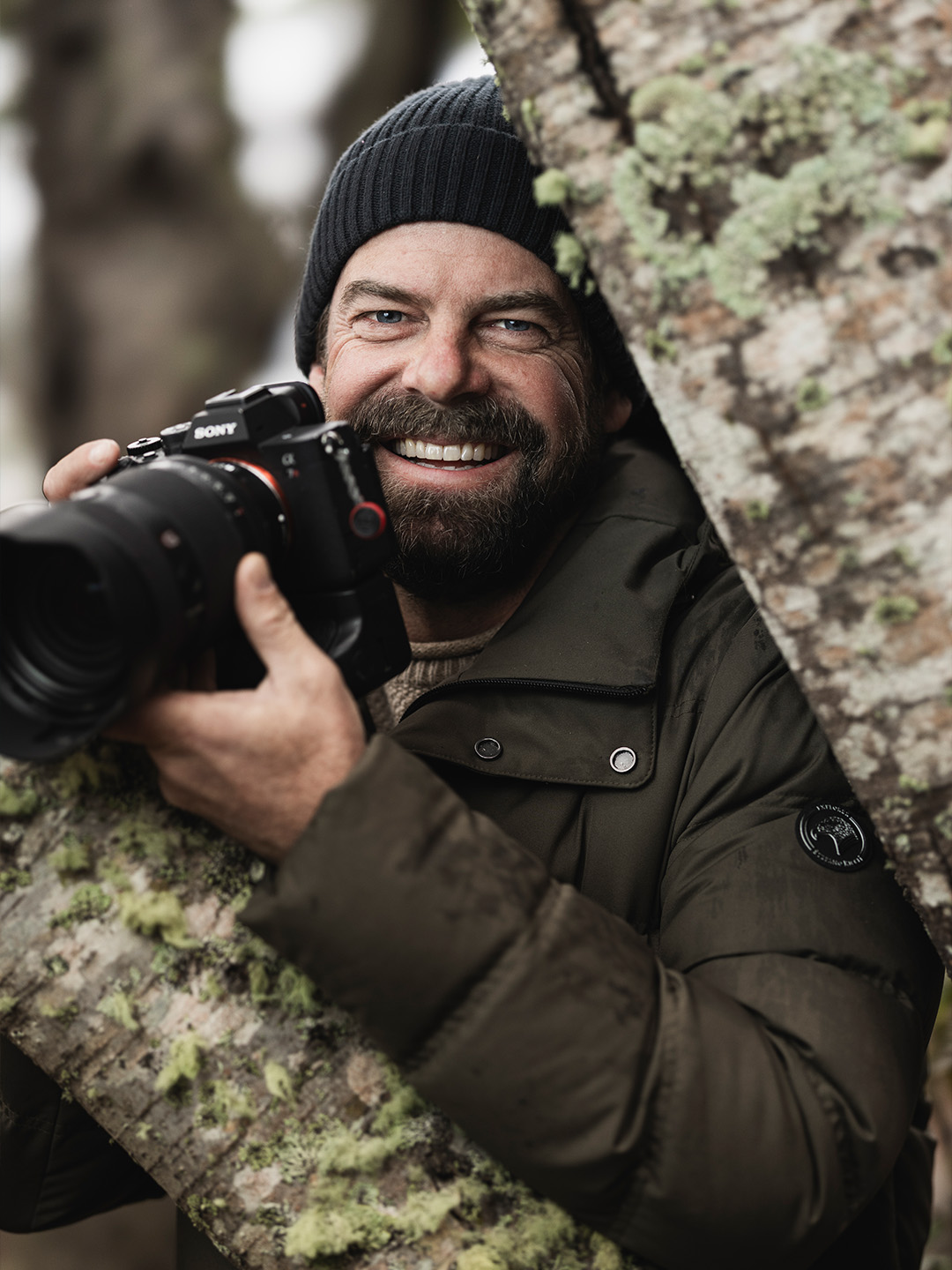


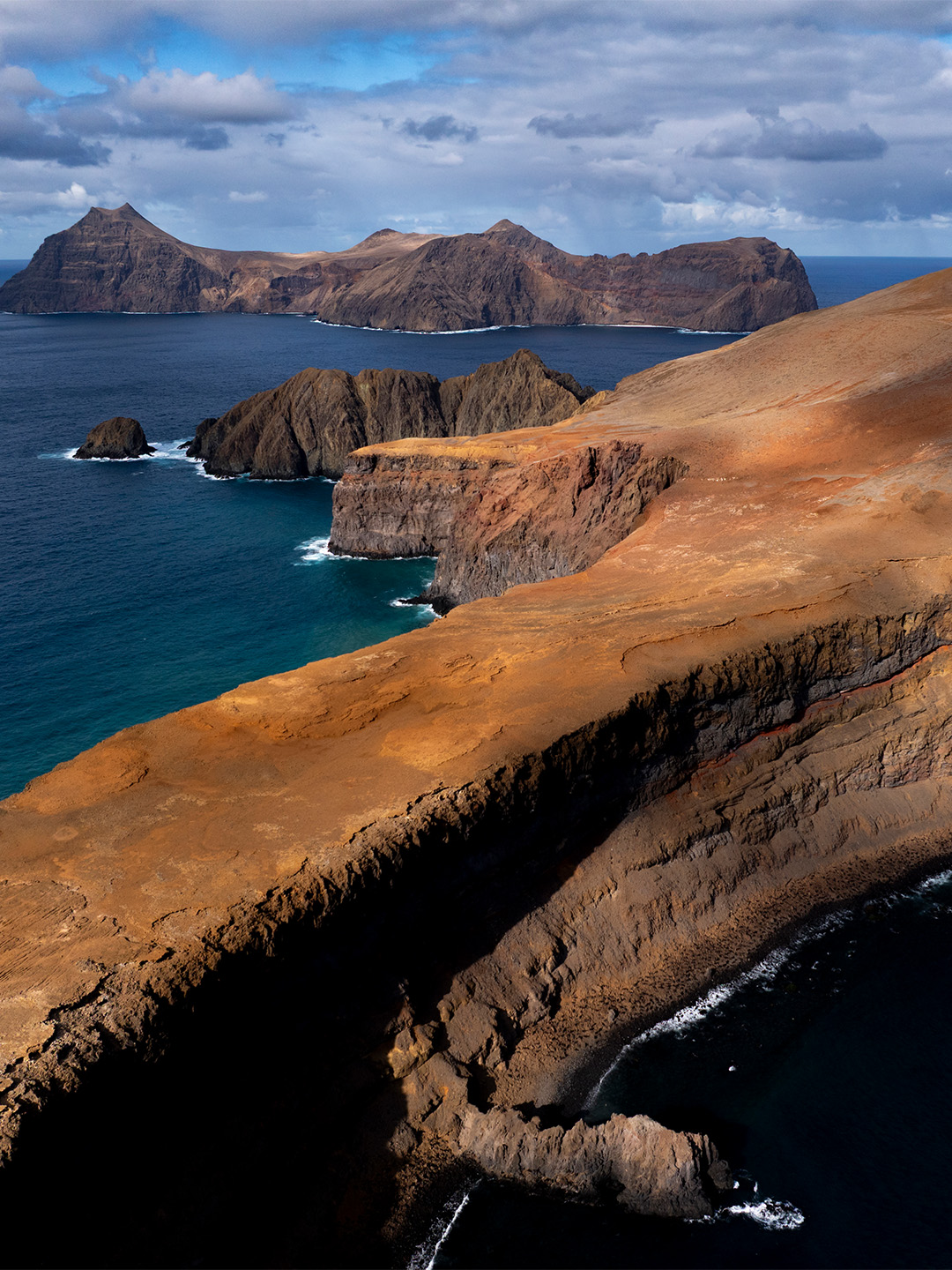
This love for adventure became an overwhelming passion to see and document remote places of our planet. But over time, the world I loved to explore began to change before my eyes. Rivers I once waded as a young man ran shallow. Coral reefs I dove into faded from brilliant color to ghostly white. My camera began recording not just beauty—but loss. That’s when my work became a mission. My early years as a National Geographic photographer were filled with motion: flights, tents, storms, and sleepless nights beneath the foreign constellations of different hemispheres. The more I traveled, the more I realized that every adventure story—no matter how daring—was really a story about relationship. The climber depends on the mountain, the fisherman on the tide, the gaucho tending his herds. It was in documenting these symbiotic bonds that I began to glimpse something larger than the frame could contain: a fragile, interconnected planet.
Over the years, I’ve learned that the power of a photograph lies not in its technical perfection but in its ability to bear witness—to give emotion a face, and truth a form and a voice to the voiceless and it has shown me the fierce beauty of regeneration: whales returning to once-polluted bays, forests reclaiming abandoned mines, communities banding together to rebuild with renewable energy and hope. My work in conservation storytelling has brought me back to the fjords of Chile’s Patagonia region in recent years, working with locals to protect and restore these valuable marine ecosystems. This land and the Chileans have become a second home to me and I feel lucky every breath I take in these sacred wildernesses.
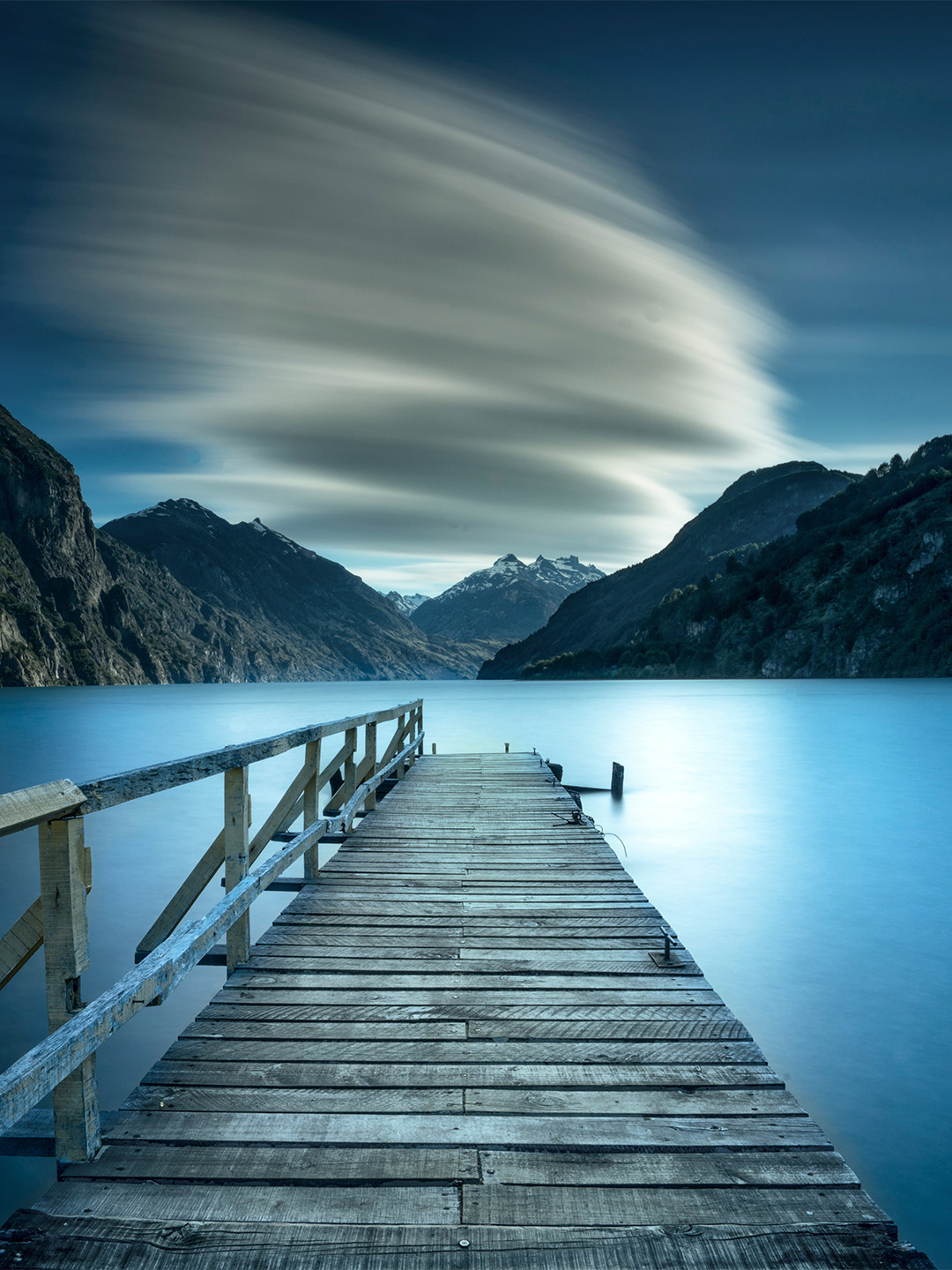
When I set out years ago, I thought adventure was about conquest— reaching summits, crossing deserts, braving storms. Now I understand that true adventure lies in care: in the patient act of defending the fragile, the wild, and the unseen. Patagonia has taught me humility. It has taught me that the line between wonder and loss is perilously thin, and that our stories—the ones we choose to tell—can make the difference. After two decades behind the lens, I’ve come to see my images not as mere documentation, but as conversation. They are an invitation for empathy. The most powerful change doesn’t come from data or policy—it begins in the human heart, with the realization that this planet’s story is our own. And as long as the winds sweep across the Torres Del Paine and as long as the light dancing of the Kelp Forests of Puerto Montt, I will keep raising my camera—hopeful that a single photograph can still change the world.
