The Land of the Eternal Blue Sky
The Land of the Eternal Blue Sky
Terry D. Garcia, CEO of Exploration Ventures
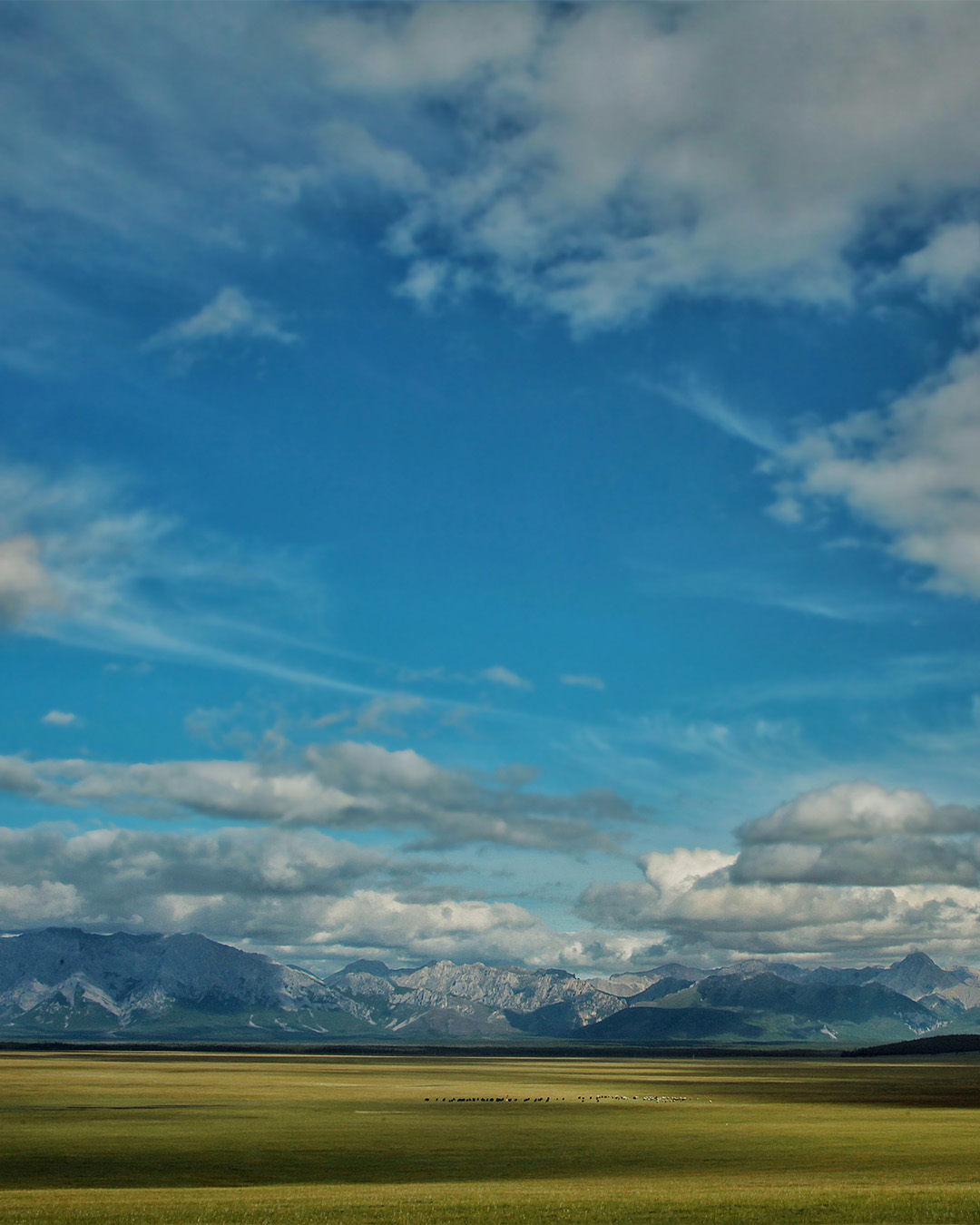
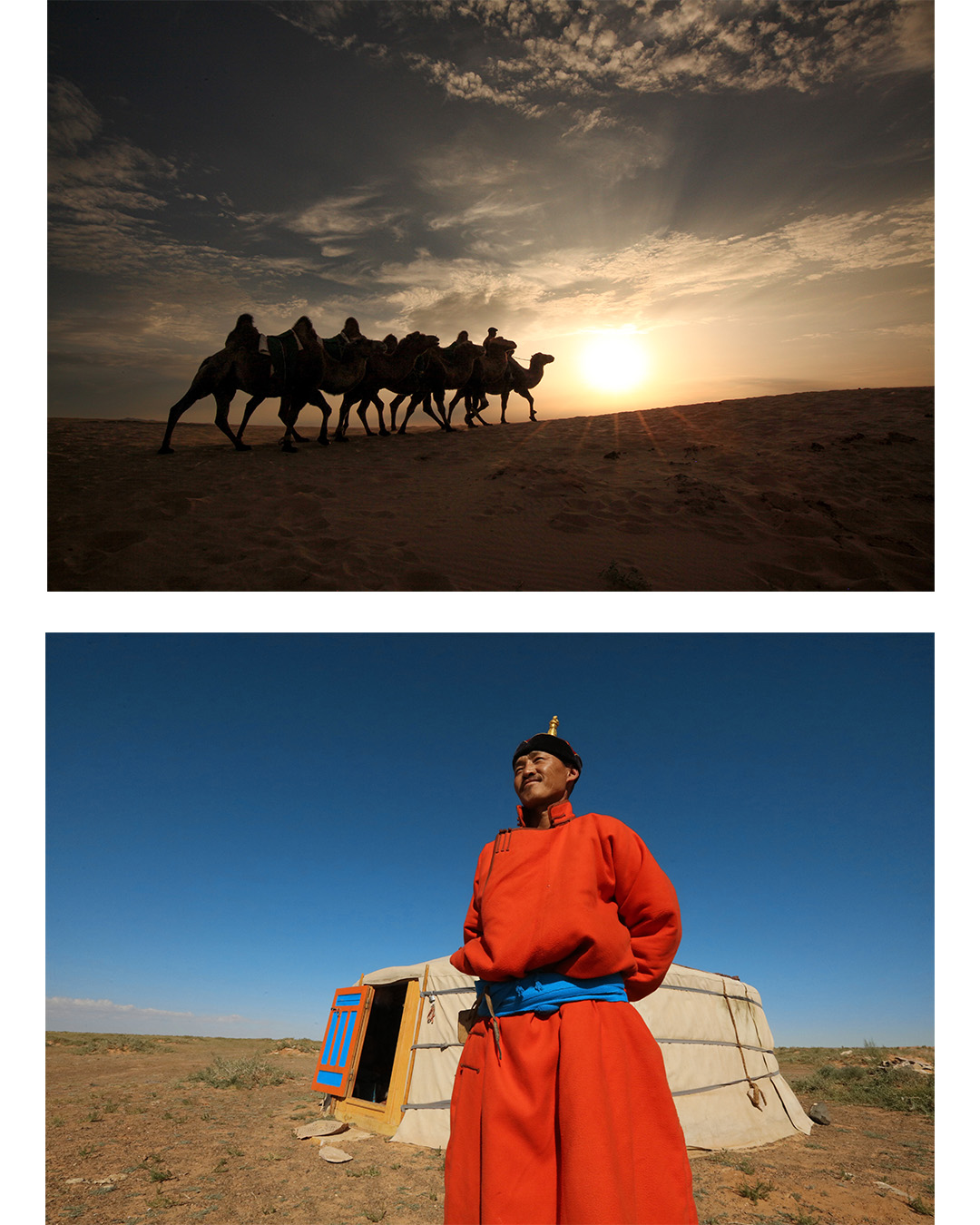
There are few places as evocative of exploration as Mongolia, a vast country of stunning and largely untouched natural beauty. Mongolia’s landscape ranges from towering snowcapped mountains to the Gobi Desert to immense grassy steppes which seem to stretch on endlessly under what the Mongolians call the "eternal blue sky. " The Mongolian steppes and the nomadic people, who for centuries have inhabited this beautiful and forbidding landscape, have shaped Mongolian cultural identity and heritage. Indeed, Mongolia's rich history is inextricably linked to the nomadic lifestyle. It is a way of life that necessitates constant movement and exploration of new territories in search of water and fresh pasturelands. It demands an ability to adapt to changing environmental conditions, engenders a deep-rooted sense of curiosity and self-sufficiency. Mongolia’s early nomadic people relied on their deep knowledge of the land, weather patterns, and available resources to navigate and sustain themselves in an often harsh and challenging landscape. Since the time of the Mongol Empire, Mongolia has been the initiator and the subject of exploration, leading to the exchange and diffusion of knowledge and cultures over centuries.
The Mongol Empire emerged in the 13th century, led by one of the most prominent figures in world history, Genghis Khan. He laid the foundation for what would become the largest contiguous land empire in history, stretching from Eastern Europe to the Sea of Japan, and from Siberia to Southwest Asia. The Empire's expansion was largely driven by its military expeditions, which were not only conquests but also exploratory ventures into unknown territories. His military campaigns opened trade routes that connected East Asia to the Middle East and Europe, enabling the exchange of goods, ideas, and knowledge. The Silk Road, a network of trade routes, was revived and strengthened under the Mongol rule, facilitating commerce and cultural interaction. Under the protection of the Mongol empire trade along the silk road between east and west flourished attracting traders, scholars, explorers, and adventurers. The most famous traveler was the Venetian merchant and explorer, Marco Polo. In the late 13th century, Marco Polo embarked on an epic journey to Asia, spending seventeen years in the Mongol Empire.
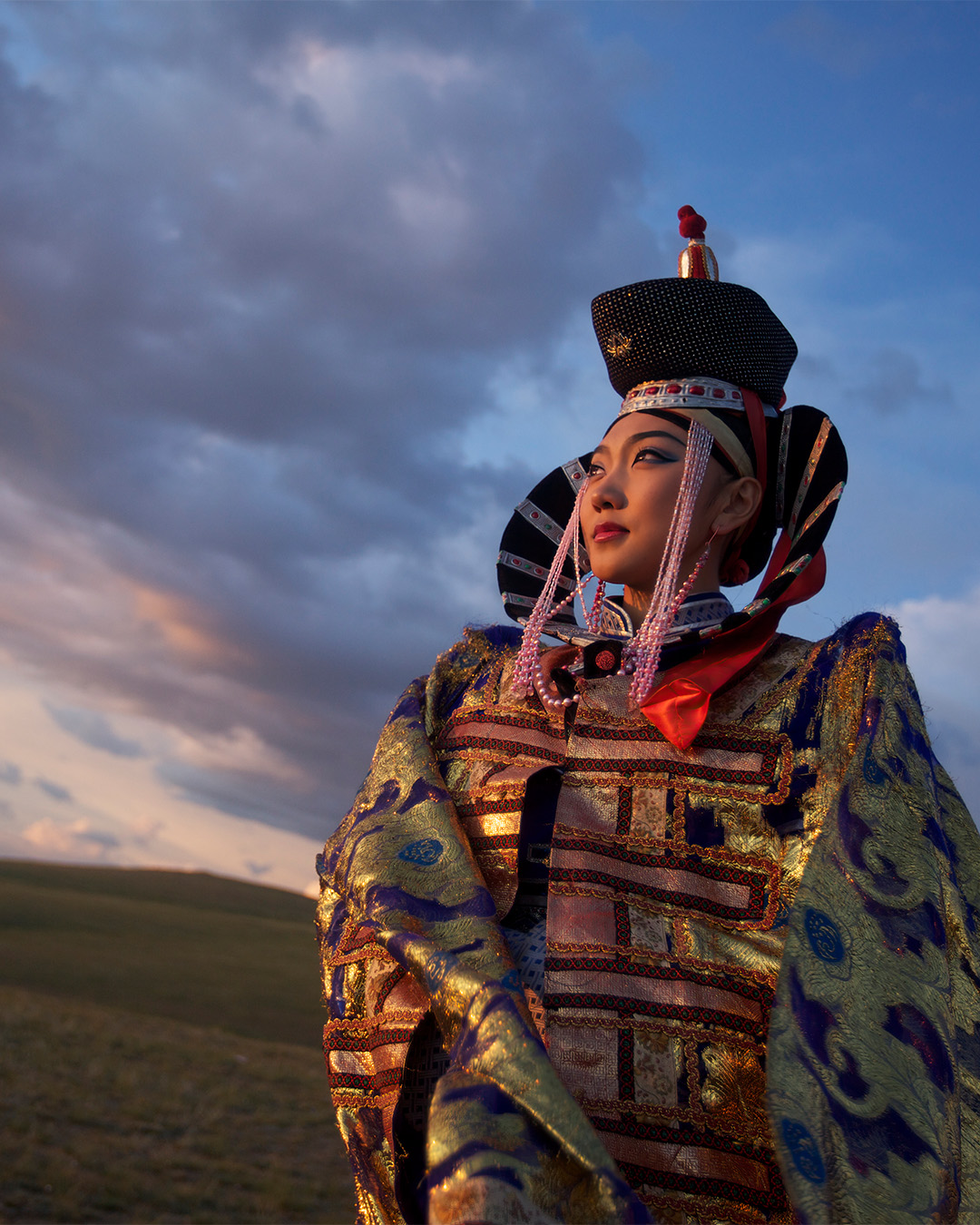
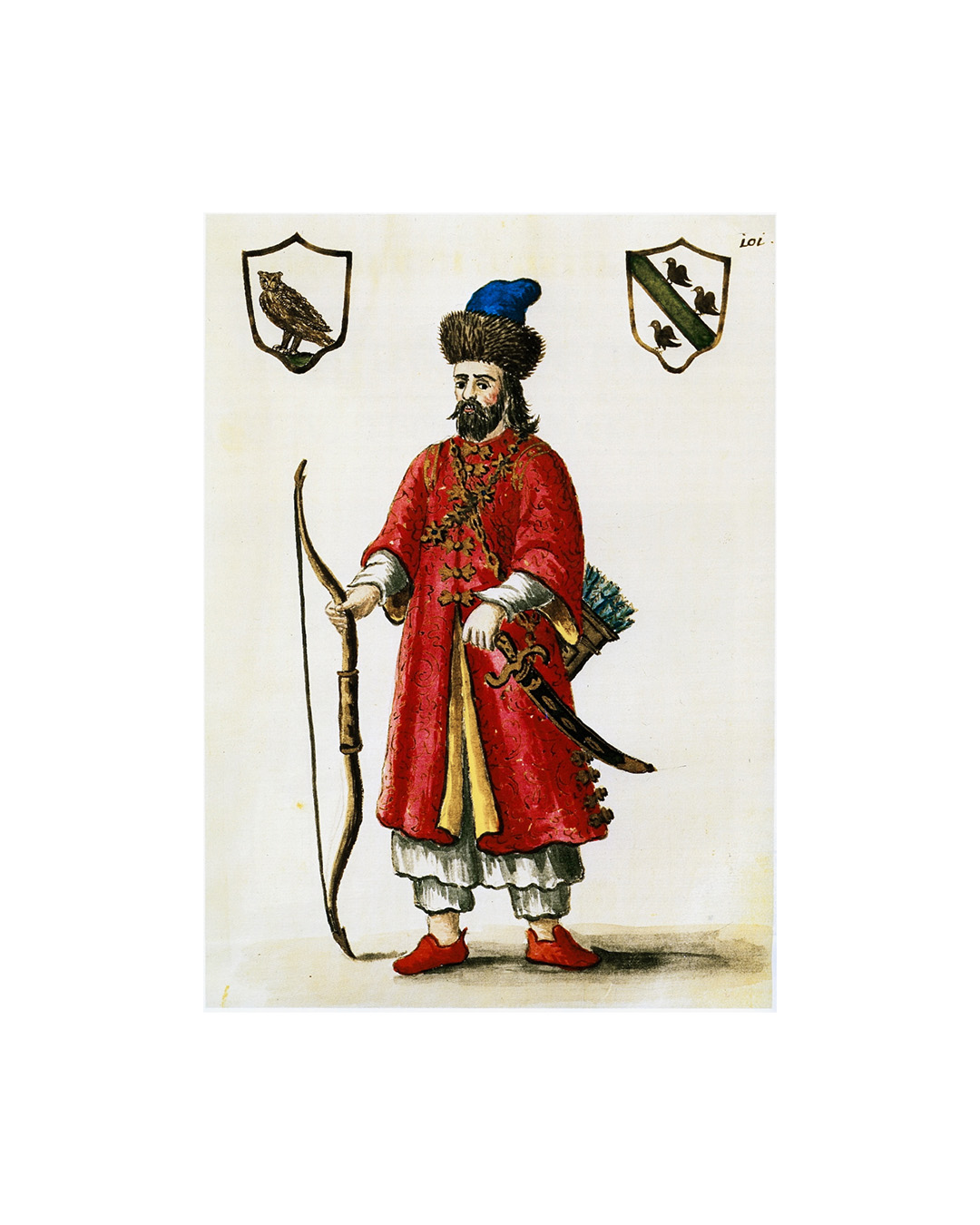
His travels and encounters with different cultures and peoples would later be chronicled in his famous book, The Travels of Marco Polo. Marco Polo's descriptions of Mongolia's vast landscapes, nomadic traditions, and unique customs captivated readers, opening a window into an unknown and exotic world. He described how the daily lives of the nomadic people he encountered were reflected in their nomadic lifestyle from the houses (Gers) they carried along with them to their cuisine and hunting methods. He gave a particularly detailed account of the Mongols use falconry and the practice of hunting with eagles. His narrative stirred curiosity and wonder among Europeans, driving a desire to explore and experience the distant lands in Asia. His descriptions of his travel to and through the Mongol Empire contributed to advancements in mapmaking and understanding of the known world. And his accounts contributed at least indirectly to the Age of Exploration, during which European nations began sending out explorers to discover new trade routes and territories. Marco Polo’s impact was so great, it is even said that Christopher Columbus carried a copy of The Travels of Marco Polo on his expedition to the New World.
The world’s fascination with Mongolia has continued over the centuries and even intensified in the 19th and 20th centuries. Its vast, uncharted wilderness served as a magnet for explorers and adventurers. The National Geographic Magazine contributed to the mystique of Mongolia with a series of articles beginning in 1904 and famously in a 1933 article titled Explorations in the Gobi Desert. The article was written by a flamboyant American explorer and paleontologist Roy Chapman Andrews, said to be the inspiration for Hollywood’s Indiana Jones, recounting his travels in the Gobi Desert and discovery of new species of dinosaurs. Even in the 21st century, when all the blank spaces on our maps seem to have been filled in, Mongolia continues to beckon. Although more accessible than in the past, Mongolia still has some of the most remote regions found anywhere on earth and the nomadic lifestyle and traditions first described by Marco Polo continue in many parts of Mongolia. Gers are still used by many Mongolians and in western Mongolia, nomadic hunters still practice the ancient art of falconry, hunting with golden eagles during the harsh winter months. To walk this landscape, as we have done, is to experience one of the last frontiers of terrestrial exploration. It is a journey filled with unique experiences and transformative moments. It is a reminder of the vibrant cultural heritage and diversity that exists in our world, and which continues to enrich and shape our lives. And it reminds us once again that the end result of exploring is to know oneself.