The “lost” city of Angkor
The “lost” city of Angkor
Terry D. Garcia, CEO of Exploration Ventures
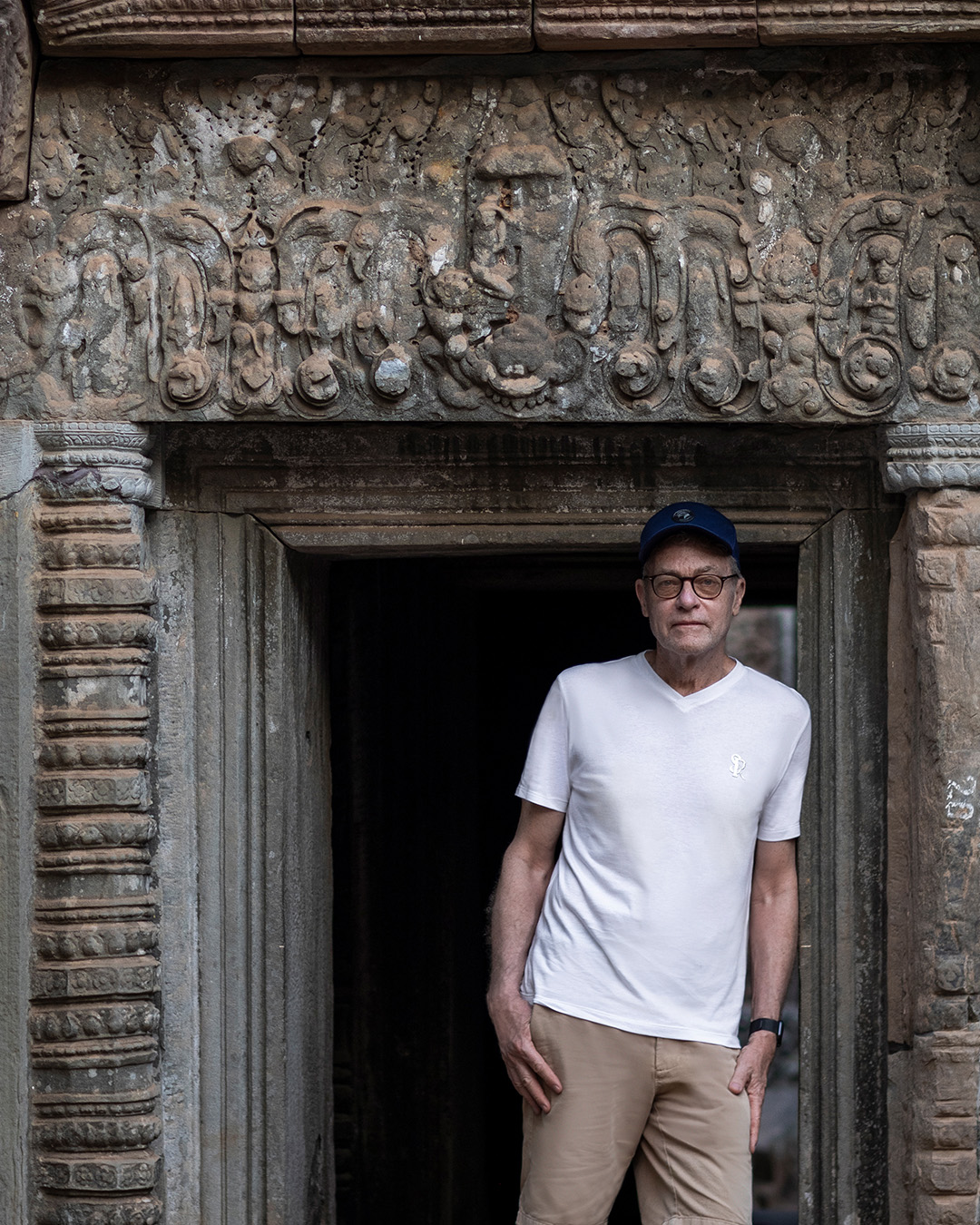
It has been almost a quarter century since my first visit to Angkor, the ancient capital of the once mighty Khmer empire. In early 2000, I was the executive vice president of National Geographic and accompanied a group of scientists on a field visit to Cambodia. Several days following my arrival in Siem Reap I rose before sunrise and traveled to the massive temple complex, Angkor Wat. As I waited in the darkness, I wondered if it would live up to early explorers’ descriptions. To my delight, the complex, illuminated by a gloriously spectacular sunrise, was everything I had imagined and more. And like those early explorers, I was eager to know more about the people who were responsible for this architectural marvel. Since my first visit, I have made many subsequent trips to Cambodia. Without fail, each visit yields new insights into the rich cultural legacy of the ancient Khmer Empire and the country’s stunning natural beauty. The founder of the Khmer Empire, King Jayavarman II, established his royal capital at Angkor near present day Siem Reap. The Hindu-Buddhist empire lasted from 802 to 1431 AD and covered much of mainland Southeast Asia, including parts of modern Myanmar (Burma), Cambodia, Thailand, Laos, Vietnam, and peninsular Malaysia. At its zenith, the Khmer Empire was larger than the contemporaneous Byzantine Empire and its level of urban planning, architectural and engineering achievements exceeded those of European cities during the same period. Within the city was the world’s largest religious complex, Angkor Wat, one of more than 1000 temples in Angkor.
The city of Angkor sat on the northern edge of the great lake, Tonle Sap the largest freshwater body in southeast Asia and covered an area of approximately 1000 square kilometers. By the 12th century Angkor was the largest metropolitan area in the world with a population of approximately 1 million dwarfing the populations of Paris and London at that time. For more than 600 years, the Khmer ruled one of the most dynamic, sophisticated, and powerful empires in the ancient world. By the fifteenth century however the empire faced internal and external challenges and in 1431 the neighboring Ayutthaya (Thai) kingdom to the north sacked Angkor and the empire’s center shifted to Phnom Penh. The first Western visitor to Angkor, was Antonio da Madelena, a Portuguese Capuchin friar in the late 16th century but it wasn’t until the mid-19th century that the western public became acquainted with Angkor. It was then the French naturalist and explorer, Henri Mouhot, visited the ancient city. Mouhot is frequently credited with its “discovery” and his description of the temples of Angkor as grander than anything left to us by Greece or Rome inspired successive waves of archaeologists to Cambodia in pursuit of an ancient “lost” city. Admittedly, few things are more exciting, romantic, or sensational than the purported discovery of a “lost” city. Such discoveries are heralded with great fanfare in headlines around the world. They are the subject of countless books and movies. Intrepid explorers for centuries have embarked upon quests to find them hoping to achieve fame and fortune. And yet almost without exception, none of these so-called “lost cities” were ever “lost”.
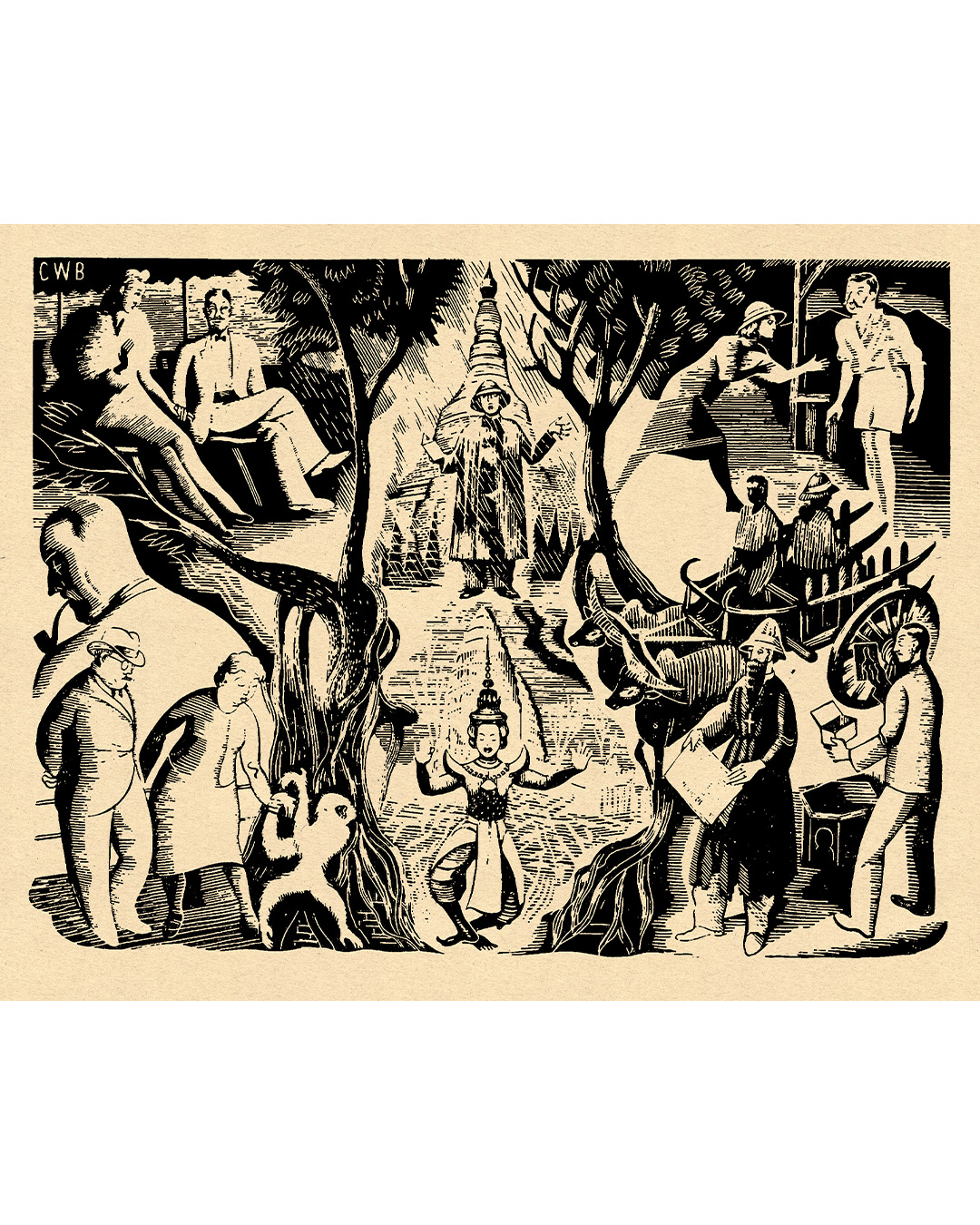
Certainly, that was the case with Angkor. Mouhot did not discover a lost city in any true sense. Angkor was well known to local and regional populations. They told him of its existence and likely led him to it. The Khmer people who built the city, continued to live in the area and to use and maintain the temples and other structures for centuries after the fall of the Khmer Empire. Its ‘discovery’ by Western explorers was at most a reintroduction to the outside world. Apart from its inaccuracy, the use of the term “lost” too often fosters a viewpoint that ignores the complex histories, continuity, resilience, and transformation of ancient societies. The study and exploration of sites such as Angkor allow us to understand the histories of these societies in their own contexts and to take and apply lessons of the past. Afterall, the challenges that confronted ancient societies—natural disasters, environmental degradation, population pressures, disease, economic disruption, and regional conflict—are the same as those we face today. How we manage our modern-day challenges can be informed by choices—wise and foolish—our predecessors made. As our travels have taught us, despite the impressive extent of our accumulated knowledge, much remains to be discovered. Indeed, we are entering a new age of exploration, one that promises to be the greatest and most consequential in human history. But today’s explorer, rather than searching for new lands or treasures, seeks to better understand our planet, our past and ourselves in order that we may successfully navigate an increasingly complex and challenging global landscape.
